Capacity Building

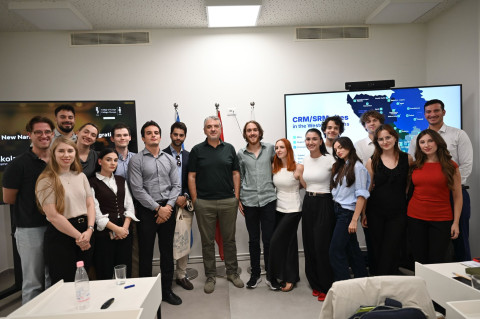
The Capacity Building Programme at Natolin offers a comprehensive agenda that complements the academic curriculum. It is designed to support students in making a successful transition from Natolin to the next steps in their career journey in Europe and beyond. Through the programme, students can shape their professional identity, expand their networks, and develop the mindset required to pursue rewarding careers in European institutions, diplomacy, civil society, academia, and the private sector.

The programme combines four main components:
Training

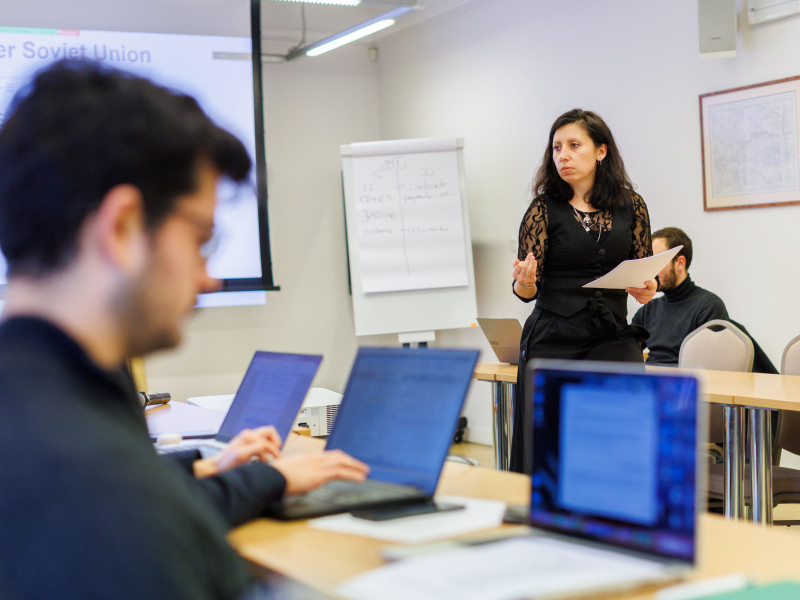
A series of workshops delivered by practitioners from public institutions, international organisations, media outlets, and other renowned entities. These workshops provide first-hand practical experience in fields such as diplomacy, project management, and strategic communication, while strengthening the soft skills that future careers demand, from leadership to intercultural communication.

Career Development

A series of encounters with representatives from different sectors, covering topics such as shaping a career path, the realities of daily working life, entry points, and early-career opportunities. These meetings allow students to test their perceptions against lived experience and make informed choices about their professional futures.

Guidance & Networking

In addition to the guidance available from Natolin's resident staff and guest speakers participating in the programme, students may also join the Natolin Mentoring Programme. Participants select up to three mentors from a list of Natolin alumni. Once the matching process is complete, students and their mentors agree on at least two meetings, online or in person, during which mentors provide tailored advice and share their experience and best practices for entering the job market.

Practice and Apply Lab

The Practice and Apply Lab is the platform dedicated to turning what students learn into professional content. Working with the programme team, students build practical skills in drafting policy papers and op-eds or producing a podcast. Workshops and one-to-one meetings guide students from first idea to publication on Natolin's own outlets. Students leave with published work under your name, a contribution to debates in their field of specialisation and concrete evidence of their skills for future employers.